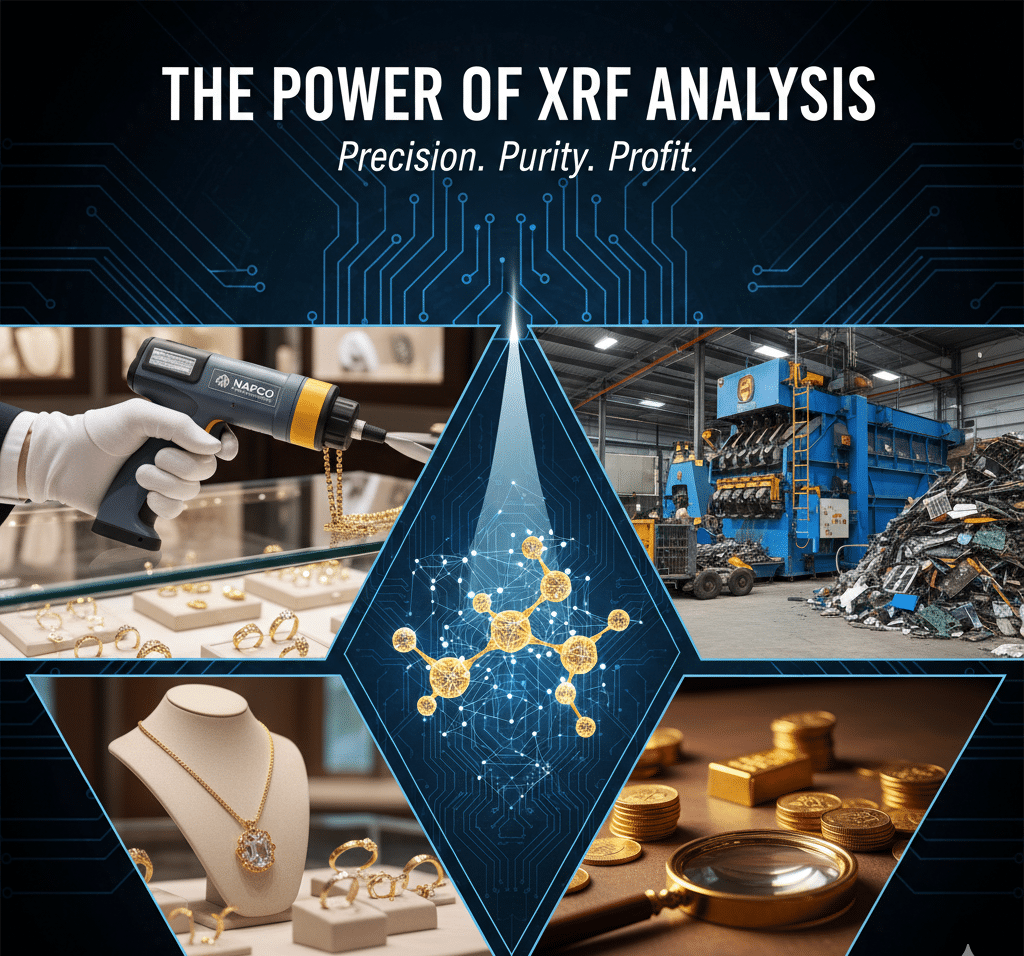
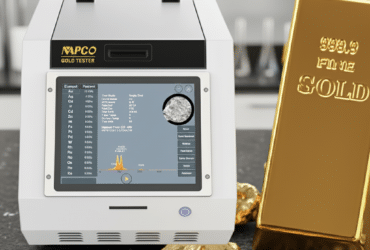
Ensuring the accuracy of gold purity or measuring the elemental composition of materials is a challenge faced by numerous industries, from jewelry stores to recycling facilities. When the stakes are high, precision is non-negotiable. Enter the XRF analyzer-a technological powerhouse delivering reliable, non-destructive analysis in seconds. This blog explores the core features of XRF analyzers, why they’re indispensable, and how they’ve revolutionized material testing industries globally.
What is an XRF Analyzer and How Does It Work?
An XRF analyzer (X-Ray Fluorescence analyzer) is a sophisticated device used to determine the elemental composition of materials. Whether it’s evaluating gold karat purity, identifying alloy components, or testing for contamination in raw materials, the XRF analyzer stands as the gold standard for accuracy.
How It Works
An XRF analyzer functions by directing X-rays at a sample. When this happens, the atoms in the material emit secondary (fluorescent) X-rays at unique energy levels depending on the element. These emitted X-rays are analyzed to pinpoint each element and its proportion accurately.
This process is non-destructive, meaning the sample remains undamaged-an invaluable benefit for applications like testing high-value jewelry or antique artifacts.
Why Industries Trust XRF Analyzers
1. Unparalleled Accuracy
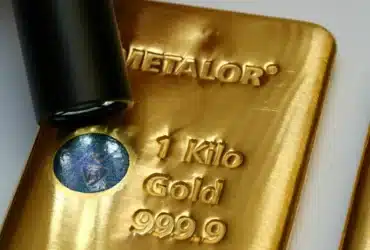
For industries that rely on exact measurements-whether in karats for gold or percentages of specific elements-accuracy is critical. XRF analyzers boast precision rates close to 99%, making them essential for jewelers, recyclers, and banks alike.
2. Speed and Efficiency
Manual testing methods can take hours, but an XRF elemental analyzer delivers results in seconds. This quick analysis allows businesses to scale operations without compromising quality or consumer confidence.
3. Versatility Across Applications
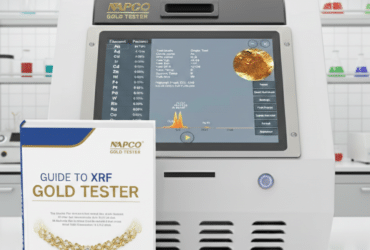
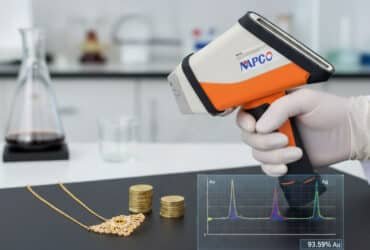
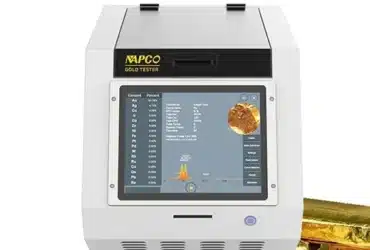
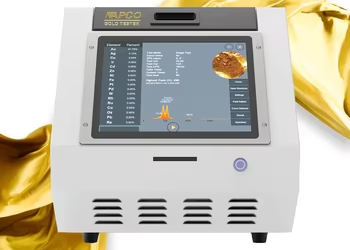
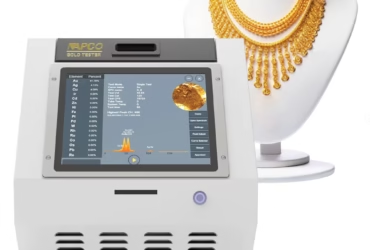
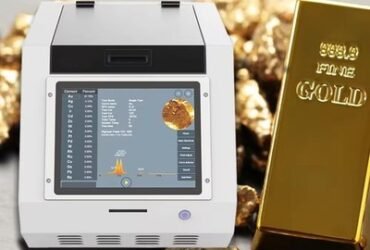
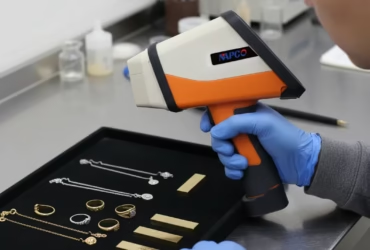
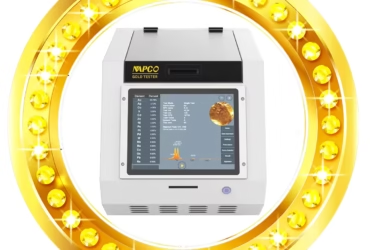
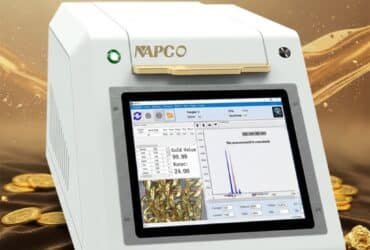
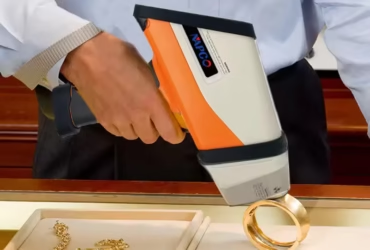
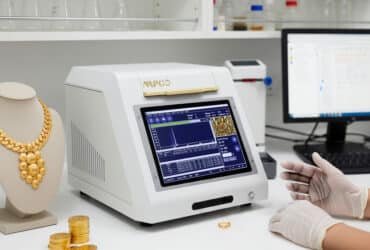
From benchtop models used in lab settings to compact desktop XRF analyzers for on-the-go testing, XRF technology supports diverse needs. Industries benefiting from this technology include but are not limited to:
Jewelry showrooms verifying gold purity.
Hallmarking centers ensuring compliance.
Recycling plants identifying metal compositions.
Gold loan providers testing collateral accuracy.
4. Cost Savings
Though XRF analyzers are an investment, the long-term savings are undeniable. By eliminating reliance on destructive methods or external testing facilities, companies can reduce waste, safeguard assets, and minimize turnaround times significantly.
The Essential Features of the Best XRF Analyzers
Portability & Ergonomics
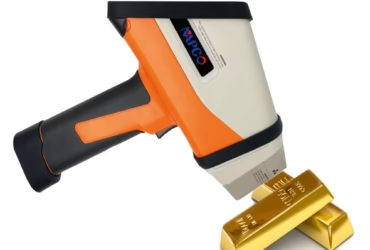
Portable and desktop XRF analyzers optimized for fieldwork ensure seamless analysis anywhere, from mines to store counters.
Advanced Software Integration
Modern XRF analyzers feature intuitive software for real-time data visualization, reporting, and compliance tracking.
Durability
Durable designs ensure the analyzer withstands industrial environments, ensuring years of consistent use.
Calibration & Customization
The best XRF analyzers offer customizable testing parameters and advanced calibration support, tailoring them to meet varied needs across industries.
Practical Use Cases of XRF Analyzers
Gold Purity Testing for Jewelers
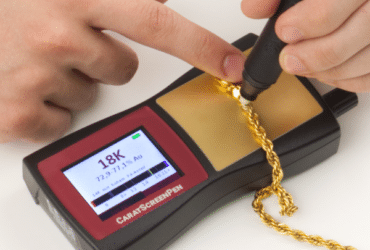
For jewelry businesses, ensuring trust with customers involves certifying the precise karat of gold. XRF analyzers not only test purity but also verify that items meet hallmarking standards, safeguarding reputation and compliance.
Quality Control for Manufacturers
Goldsmiths and manufacturers use XRF elemental analyzers to maintain consistency and quality in production processes. With real-time feedback, material mixing errors can be identified and corrected immediately.
Precious Metal Recycling
Recyclers turn to XRF analyzers to sort metals accurately and ensure efficient operations. Non-destructive testing means that valuable samples are never lost during analysis.
Loan Appraisals for Banks and Pawn Shops
Before issuing loans against gold, banks and pawnshops rely on benchtop XRF analyzers to validate the provided asset’s purity instantly.
Choosing an XRF Analyzer
When selecting an XRF analyzer, consider the following criteria to ensure it aligns with your operational needs:
Accuracy Rating – Look for models with proven precision, especially for sensitive businesses like hallmarking or recycling.
Form Factor – Choose a desktop XRF analyzer if space efficiency is key or a portable unit for flexibility.
Industry-Specific Features – Certain sectors may require specific software integrations or accessory add-ons.
Post-Purchase Support – Leading providers offer regular software updates, repair services, and calibration support to maintain optimal performance.
Why XRF Analyzers Are the Ultimate Solution
The XRF analyzer is more than just a tool; it’s a catalyst for trust, efficiency, and innovation. These machines empower users to make informed decisions, eliminate guesswork, and operate confidently in competitive markets. With unmatched versatility across applications, every benchtop and desktop XRF analyzer becomes a critical asset in an increasingly precision-driven world.