Gold purity is at the heart of the jewelry and bullion industry, as every karat influences its value significantly. For jewelers, goldsmiths, pawn shops, and investment firms, determining the carat of gold reliably isn’t just a routine-it’s critical. Yet, many face challenges such as destructive methods, prolonged testing times, and human errors. This article explores how to test carat of gold, offering insights into both traditional and modern methods, and emphasizes why non-destructive techniques like XRF testing have become a game-changer for the industry.
Understanding Gold Carats
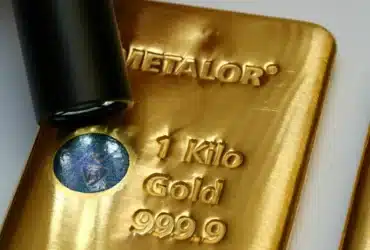
Before jumping into testing methods, it’s essential to understand what “carat” means. Gold carat (or karat) measures the purity of gold in an item. Pure gold-denoted as 24 karats-is soft and therefore often alloyed with other metals like silver or copper for strength.
Here’s a quick breakdown of common karat ratings:
24K – Pure gold (99.9%)
22K – 91.6% gold
18K – 75% gold
14K – 58.3% gold
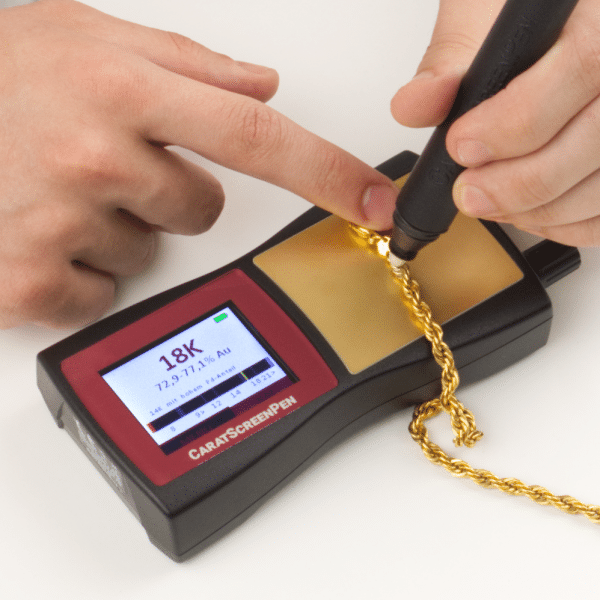
Each rating tells the buyer (or seller) the percentage of gold present in an item, which directly impacts its value. Knowing how to test karat of gold accurately ensures trust and transparency in gold transactions.
Traditional Methods for Testing Gold Purity
1. The Acid Test
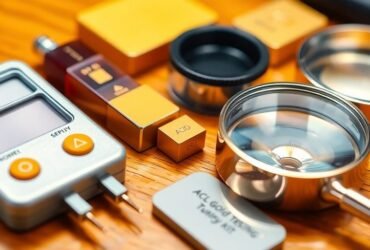
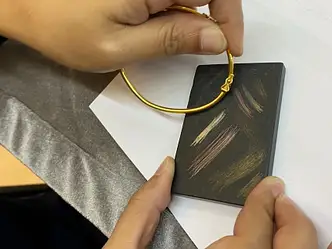
One of the oldest methods is the acid test. Jewelry items are scratched on a testing stone, and acid solutions of varying concentrations are applied to the streak.
Pros:
Affordable
Provides quick results
Cons:
Slightly damaging (scratches the item)
Less accurate for karats above 18K
2. Touchstone Method
Touchstone testing involves comparing the color streak on the stone to those of standard gold pieces.
Pros:
Simple to perform
Cost-effective
Cons:
Requires skill for accurate assessments
Subjective visual inspection increases risks of errors
3. Assay Tests
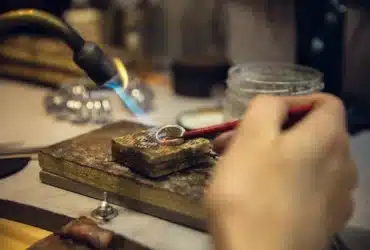
Assay methods-such as fire assays or cupellation-are highly accurate but cumbersome. These tests involve melting gold samples and determining purity through exact measurements.
Pros:
Highly accurate
Cons:
Destructive and time-consuming
Generally unsuitable for day-to-day transactions
While these techniques provide some value, they come with notable limitations. Businesses need a way to perform non-destructive, faster, and more reliable gold testing.
Modern Solutions for Testing Gold
The Rise of XRF Testing
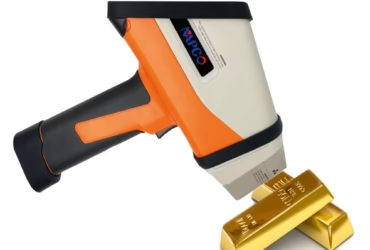
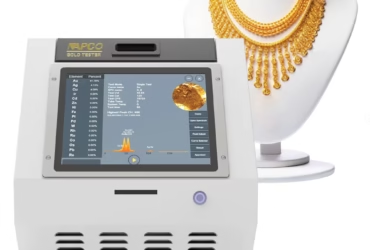
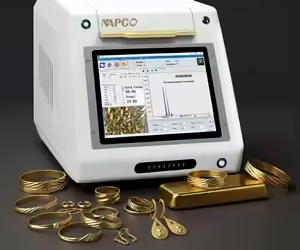
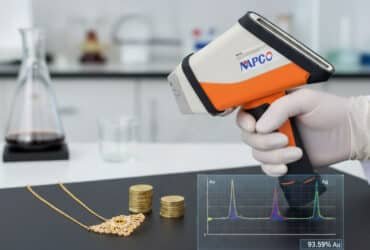
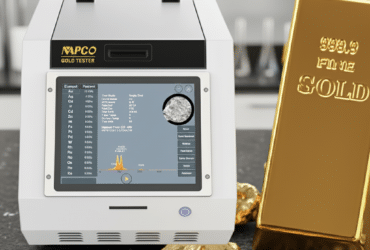
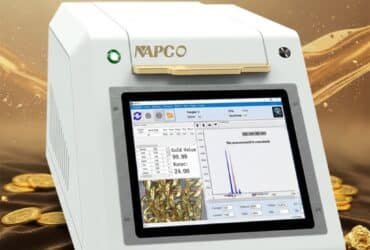
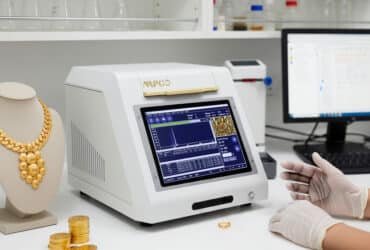
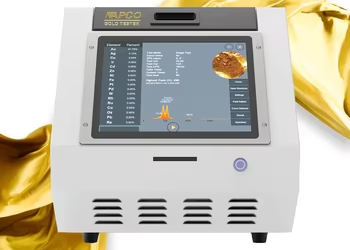
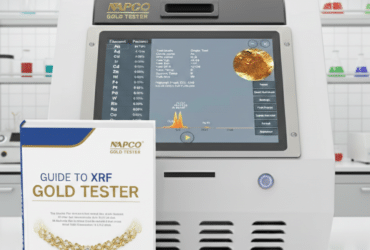
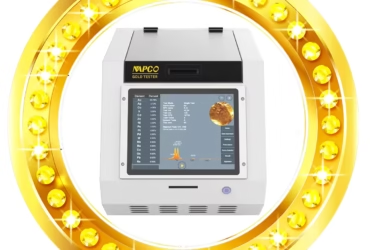
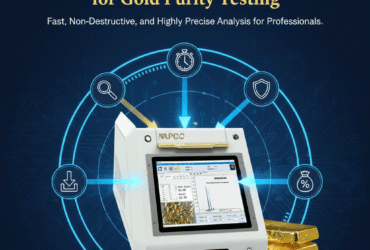
X-ray fluorescence (XRF) technology revolutionized gold testing by offering a non-destructive, fast, and highly accurate solution. This machine can determine how gold is tested to a precise karat percentage, eliminating human error.
How Does XRF Work?
The XRF device emits X-rays into the gold sample, exciting its atoms. The emitted radiation reveals the exact compositional elements of the sample, including gold purity.
Benefits of XRF Testing
Non-destructive: No scratches, damage, or loss of material.
Ultra-fast: Results within seconds, making it valuable for retail or high-demand transactions.
Highly Accurate: Determines carat purity down to a fraction of a percentage, accommodating even complex alloy compositions.
Versatile: Suitable for a wide range of applications from pawn shops to hallmarking centers, benefiting jewelry manufacturers and equipment dealers alike.
With advanced machines like those developed by Napco Precision Instruments Co., Ltd., businesses can test gold with the confidence that only cutting-edge technology provides.
Why Accuracy Matters in Gold Transactions
Imagine purchasing an 18K gold necklace, only to later discover it’s closer to 16K. Not only does this harm the buyer financially, but it also erodes trust in the seller. Here’s why accurate gold testing should be prioritized:
Transparency: It creates confidence in buyer-seller relationships.
Compliance: Many regions enforce strict hallmarking standards, and accurate testing keeps you compliant.
Competitive Edge: Businesses that offer reliable gold testing can build stronger reputations and stand out to customers.
For professionals in jewelry showrooms, refineries, banks, and even gold recyclers, knowing how test gold is less about adopting a method and more about investing in client trust.
Practical Tips for Choosing a Testing Solution
1. Match Your Needs
Whether you’re a retailer or a refiner, pick a method that suits your volume and accuracy requirements. For example, XRF machines are ideal for high-frequency testing environments.
2. Prioritize Training
Even with advanced tools, trained operators can enhance testing quality. Invest in workshops or certifications for your team on XRF operation or traditional methods.
3. Value Non-Destructive Methods
Destructive techniques might lower your item’s value due to scratches or material loss, making non-destructive approaches a wiser investment.
4. Evaluate Return on Investment
While XRF machines might seem like significant investments, their long-term benefits (accuracy, reliability, customer satisfaction) often justify their cost.
Why Choose Napco’s XRF Technology?
Napco Precision Instruments Co., Ltd. specializes in cutting-edge XRF gold testers that simplify how to test karat of gold. With decades of experience, Napco offers instruments that cater to various gold industry players-whether you’re running a hallmarking center, refining gold, or managing a pawn shop. Their commitment to precision and accessibility makes them a trusted choice.
Final Thoughts
Testing the carat of gold is one of the most critical steps in determining its value. From the traditional acid test to modern non-destructive XRF machines, the methods you choose should balance precision, ease, and reliability.
For businesses seeking confidence in gold transactions, investing in advanced testing technologies like XRF is more than a choice-it’s a necessity. Learn more about how Napco’s innovative solutions can transform your gold purity verification process and position your business as a trusted name in the industry.