Gold jewelry has been a symbol of wealth and beauty across cultures for centuries. Whether you’re a jeweler, a goldsmith, or a gold enthusiast, knowing how to test a gold chain accurately is essential for assessing its value and authenticity. Testing gold chains effectively can help confirm purity levels, ensure customer trust, and avoid costly mistakes. This guide provides actionable insights on reliable methods for testing gold chains and discusses why advanced techniques like XRF gold testing machines offer unmatched precision.
Why Testing Gold Chains is Important
Gold is highly valued, but its authenticity can be compromised by fraud or unintentional errors in purity markings. Testing gold chains accurately ensures the buyer gets genuine gold and protects businesses from losses linked to misrepresentation. More importantly, it builds trust in an industry where authenticity matters most.
But how do you test a gold chain or ascertain if a gold item, such as a ring, is real? Let’s explore some common methods, as well as advanced solutions used by professionals.
How to Test a Gold Chain at Home
For individuals without access to sophisticated equipment, testing a gold chain at home might be the only option. Here are some simple yet effective methods:
1. Magnet Test
Gold is not magnetic. To perform this test:
Hold a strong magnet near the chain.
If the chain sticks to the magnet, it likely contains other, non-gold metals.
Note: Some gold-plated items may pass this test, so consider additional methods for confirmation.
2. Scratch Test
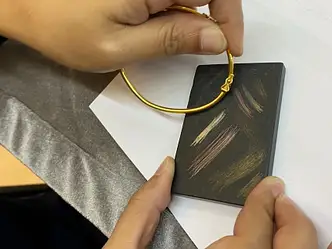
Scratch testing involves rubbing the chain against a testing stone with acids of different strengths. Here’s how it works:
Use a black stone to apply a small scratch from the chain.
Apply acid solutions of varying carat levels (e.g., 10K, 14K, 18K) to the scratch.
Observe how the scratched area reacts. Pure gold will remain unaffected, while reactions might indicate the presence of other metals.
Warning: This method can slightly damage the chain.
3. Float Test
Gold is dense and does not float. To test:
Drop the gold chain in a cup of water. Genuine gold will sink immediately.
If the chain floats, it may not be authentic.
This is quick but less precise-you might need follow-up tests for conclusive results.
4. Nitric Acid Test
Many jewelers and enthusiasts use nitric acid to test gold purity. To conduct this:
Apply a small drop of nitric acid to a discreet part of the chain.
A genuine gold chain will not react, while fake materials may turn green or milky.
Be cautious with this method as it may leave marks on your jewelry.
Professional Methods to Test a Gold Chain
While at-home tests can provide basic insights, professionals use specialized equipment to ensure maximum accuracy. If you’re a jeweler, pawnbroker, or gold manufacturer asking how to test if a gold ring is real or how to precisely verify gold purity, these advanced techniques are recommended:
1. X-Ray Fluorescence (XRF) Testing
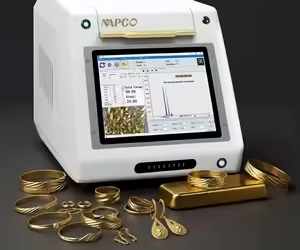
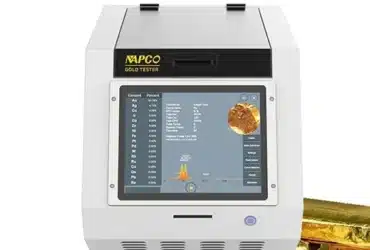
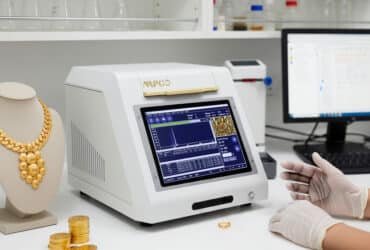
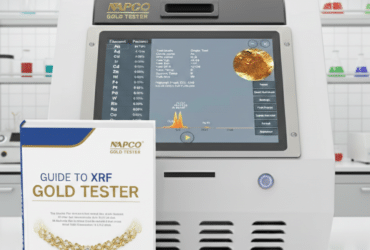
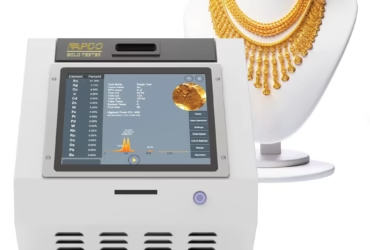
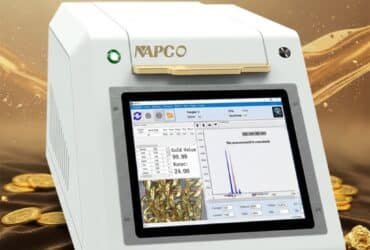
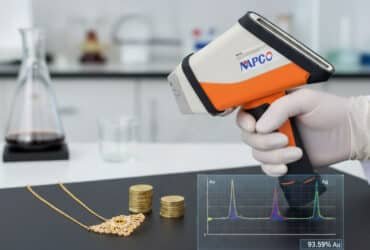
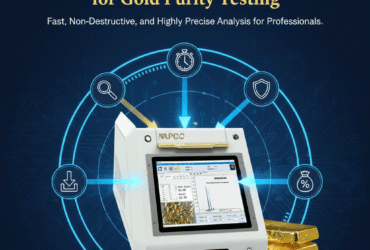
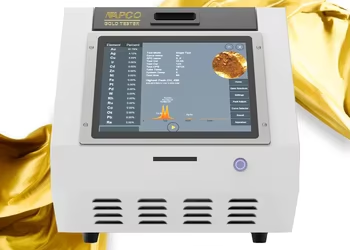
An XRF machine is a quick, non-destructive solution to determine gold purity. It works by:
Bombarding the chain with X-rays to create fluorescence.
Analyzing the material’s composition in karats and percentages.
Why Choose XRF Testing?
Non-destructive: There’s no damage to the chain.
Fast: Results can be obtained within seconds.
Highly accurate: XRF machines are trusted across hallmarking and recycling industries.
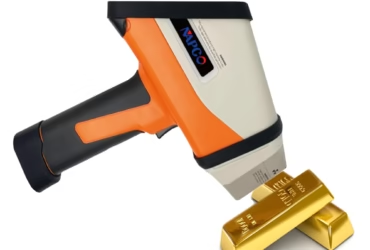
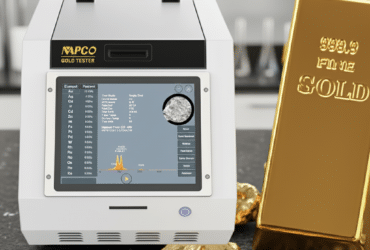
For businesses in the gold trade, investing in an XRF gold tester, such as those manufactured by Napco Precision Instruments Co., Ltd., is highly beneficial.
2. Electronic Gold Testers
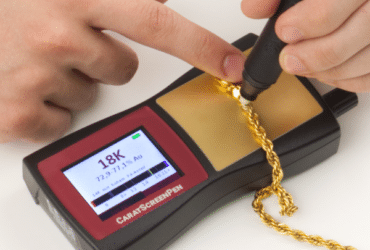
Electronic testers can measure conductivity to evaluate the chain’s gold content. While easy to use, this method is less precise than XRF and may not distinguish between gold plating and solid gold.
3. Fire Assay
Known as the most accurate test, the fire assay involves melting a gold sample to analyze its purity. Though highly precise, this technique is destructive and time-intensive, making it less ideal for consumers and light testing needs.
Benefits of Accurate Gold Chain Testing
Whether you’re testing a gold chain, ring, or bangle, the value of accuracy cannot be overstated. Reliable testing:
Protects reputation and trust: Jewelers and goldsmiths who deliver authentic gold products foster long-term customer relationships.
Maximizes profitability: Knowing the exact purity ensures proper pricing during buys, sales, or loans.
Prevents fraud risks: It helps small businesses safeguard against counterfeit pieces.
Offers convenience: Advanced methods save time while providing precision.
Choosing the Right Testing Method
For small-scale testing needs, at-home methods such as the magnet test or scratch test may be sufficient. However, professional-grade solutions like XRF machines provide superior precision, making them indispensable for those in the gold and jewelry trade.
Consider this scenario:
You receive a gold chain marked as 18K gold, but customer skepticism arises regarding its authenticity.
Using an XRF machine, you determine the chain is only 14K gold and avoid potential conflict or financial loss. This outcome highlights the critical role advanced equipment plays in the gold industry.
Final Thoughts on Testing Gold Chains
Testing the authenticity of a gold chain is a vital practice for anyone in the industry. While basic methods like the magnet or scratch test can give initial clues, advanced XRF machines provide rapid, non-destructive, and highly accurate results. Whether you’re a jeweler, gold pawn shop, or hallmarking center, incorporating reliable testing solutions not only safeguards your business but also enhances customer satisfaction and trust.
For top-notch accuracy and efficiency in gold testing, consider investing in XRF machines like those from Napco Precision Instruments Co., Ltd. Their proven technology ensures error-free purity analysis, helping your business thrive in a competitive gold market.