The value of gold has made it one of the most sought-after and counterfeited materials throughout history. Whether you’re a jeweler, gold trader, or simply someone who wants to verify the authenticity of a piece, knowing how to test for fake gold is crucial. This guide will provide you with practical, trustworthy methods to ensure the gold in question is genuine. From easy at-home tests to professional-grade techniques, we’ll cover everything you need to know to identify fake gold efficiently and accurately.
Why Testing Gold Purity Matters
Gold’s authenticity directly impacts its value. Misjudging its purity can lead to significant losses, especially in industries like jewelry, goldsmithing, gold loans, and recycling. With counterfeit gold becoming more sophisticated, traditional methods may not suffice. Detecting fake gold involves both simple tests and advanced tools to ensure accurate results.
Here are five effective methods to determine if your gold is fake or real.
1. Visual Inspection
Begin your gold testing process with a thorough visual inspection. Though not foolproof, visual clues can sometimes hint at whether the item is authentic.
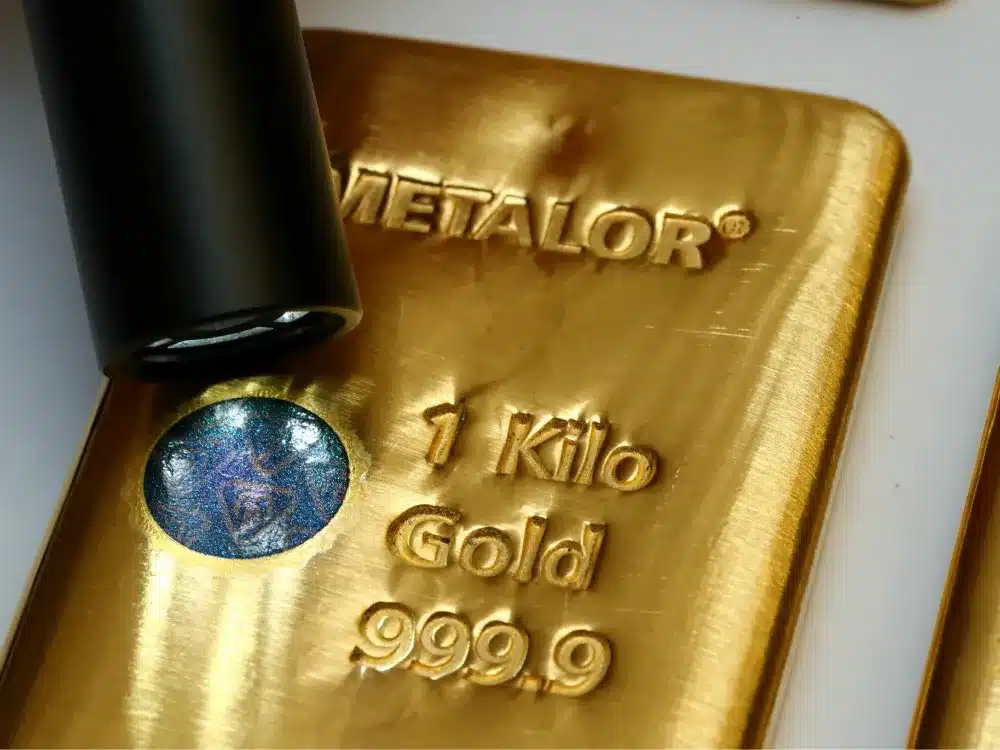
Look for Hallmarks or Stamps – Genuine gold pieces often have marks such as “10K,” “14K,” “18K,” or “24K,” denoting the karat value. Similarly, a stamp like “750” indicates 75% gold content.
Check for Discoloration – Examine areas prone to wear. Fake gold tends to reveal a different color underneath as plating wears off.
Inspect Weight and Size – Real gold is dense, resulting in a heavier feel compared to other metals or alloys of similar size.
Remember, while helpful, visual inspection should always be followed by more dependable testing methods.
2. Magnet Test
A simple and quick way to test for fake gold involves using a strong magnet. Gold is non-magnetic, so genuine gold will not be attracted to a magnet. Here’s how:
Hold a strong magnet close to the piece of gold.
Observe whether the gold piece moves or clings to the magnet.
Note: Some counterfeit pieces may use non-magnetic metals like copper or aluminum for plating. Therefore, while a failed magnet test can confirm fake gold, passing this test doesn’t always guarantee authenticity.
3. Scratch Test (Handy for Testing Quality of Gold)
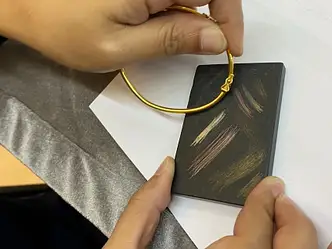
The scratch test involves testing gold against an unglazed ceramic tile to reveal its true nature. This method can help detect fake gold effortlessly:
Rub the gold gently on the ceramic tile surface.
Look for the marks left behind:
Real gold leaves a golden streak.
Fake gold generally leaves black or green streaks.
Be cautious when performing a scratch test on valuable jewelry, as it may slightly damage the item’s surface.
4. Float Test
Another quick and straightforward method is the float test. Gold is denser than water and should sink immediately when immersed:
Fill a glass with water.
Drop the gold item into the water.
Watch what happens:
Real gold will sink straight to the bottom.
Fake or plated gold often floats or hovers above the base.
This method works best for smaller items like coins or nuggets.
5. Professional Testing Tools (Most Accurate Method)
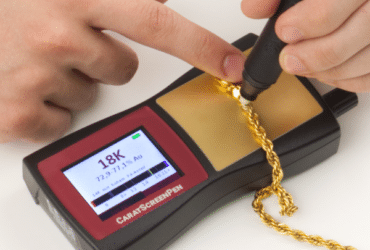
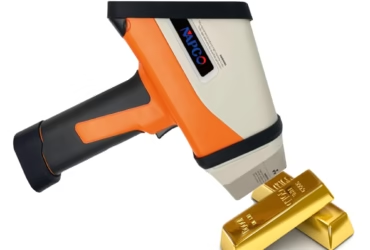
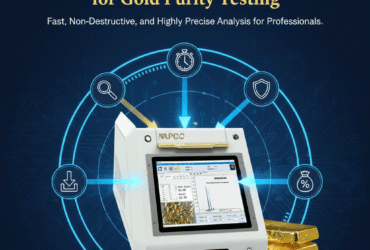
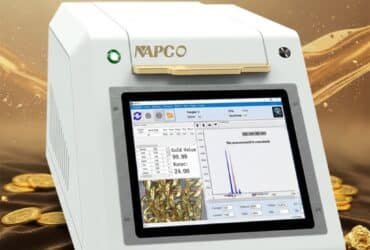
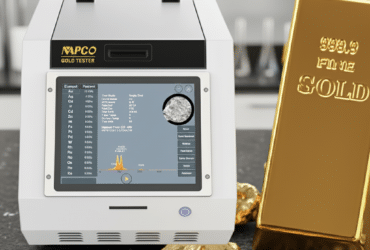
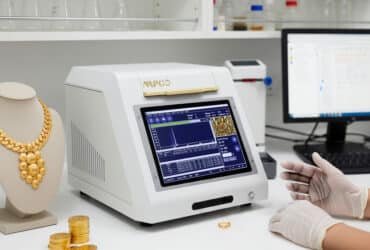
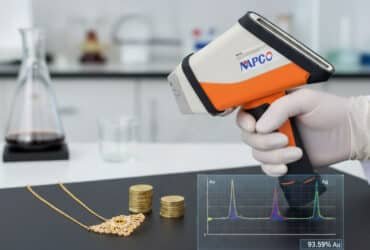
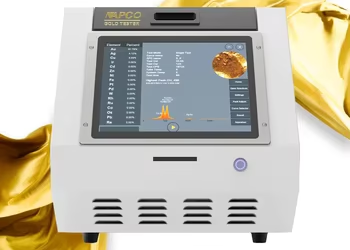
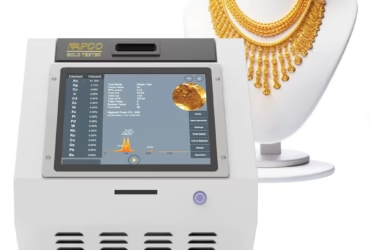
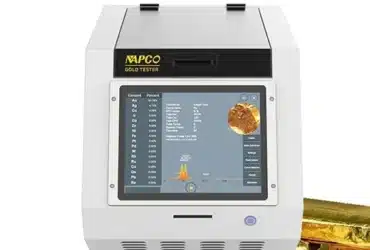
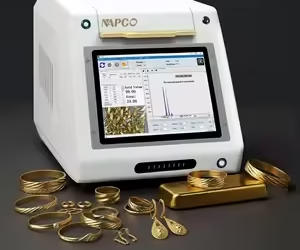
For industries where authenticity is paramount, relying on professional testing devices is the gold standard. One of the most trusted tools is the XRF (X-Ray Fluorescence) machine.
How It Works: XRF technology uses radiation to analyze the elemental composition of the metal. This non-destructive method provides detailed insights, including the gold’s karat value and purity percentage.
Advantages: XRF machines are quick, highly accurate, and easy to operate. They ensure you don’t damage the piece during testing.
Professional tools like XRF testers can be indispensable for businesses like goldsmiths, recyclers, refiners, and pawn shops. Investing in such technology ensures precise and transparent operations.
Additional Tips for Testing Gold
Avoid Over-Reliance on One Method – Combining various tests increases accuracy.
Educate Yourself on Fake Gold Types – From gold-plated items to gold-filled or hollow gold jewelry, understanding counterfeit techniques is key to proper testing.
Work with Trusted Experts – When in doubt, consult a reliable jeweler or use a certified gold testing service.
Importance of Choosing the Right Tools
While basic methods can give you an idea of whether your gold is real or fake, they lack absolute precision-especially for industries where accuracy is critical. Advanced machines like XRF testers are designed for these scenarios, offering convenience and reliability.
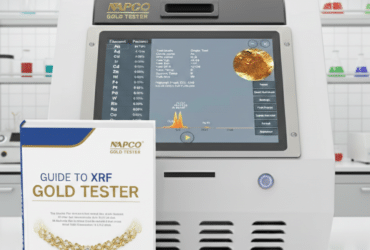
At Napco Precision Instruments Co., Ltd, we specialize in cutting-edge XRF gold testers that ensure accurate results without damaging the item. Whether you’re a jeweler or operate a gold loan business, our machines are designed to meet your testing needs with unparalleled precision.
Final Thoughts
Knowing how to test fake gold protects you from financial losses and ensures transparency in your dealings. From visual inspections to professional XRF analysis, there’s a method for every need-whether you’re testing gold at home or in a business setting. The right combination of tools and techniques will help you confidently verify authenticity every time.
If you’re looking for the most accurate and reliable way to test gold, explore our range of XRF gold testers at Napco Precision Instruments Co., Ltd. They offer quick, non-destructive, and highly precise results. Contact us today to learn more