Gold testing is a crucial step in ensuring authenticity, value retention, and quality assurance, especially for industry professionals. Whether you are a jeweler, goldsmith, refiner, or a dealer, the accuracy of gold purity testing directly impacts your trustworthiness and profitability. But how do you test gold efficiently and precisely? From traditional methods to advanced technology, this guide will outline the techniques, tools, and insights needed to test gold reliably.
Why Accurate Gold Testing Matters
Testing gold purity accurately is essential for verifying its karat or bullion value. Without reliable testing methods, businesses risk over- or under-valuing items, leading to financial losses or damaged reputations.
Traditional testing methods, while accessible, often fall short in offering precise results. Factors like human error, damages to the tested piece, or environmental interference can pose challenges. For industry professionals, investing in non-destructive, highly accurate solutions is critical.
Common Methods to Test Gold
Professionals often use varied methods to test gold, ranging from basic chemical tests to sophisticated machinery. Here’s an overview of the most common approaches:
1. Acid Testing
Acid testing involves applying a small drop of test acid to the gold to observe the reaction. This method helps determine if the piece is real gold and provides an estimate of the karat value.
Pros: Inexpensive and simple to use.
Cons: Slightly damages the gold, and it may not provide fully accurate results, especially for alloys.
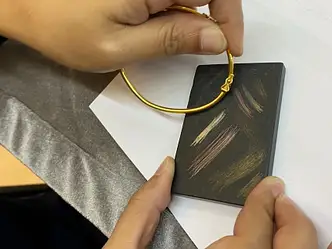
2. Scratch Testing with a Touchstone
This technique uses a touchstone and acid to rub gold traces from the piece, comparing it with reference samples.
Pros: Accessible and provides fairly accurate karat estimates.
Cons: Requires skill and damages small portions of the gold.
3. Magnet Testing
Real gold is non-magnetic, so using a magnet helps quickly identify fake or mixed metals. However, this method cannot determine purity.
Pros: Fast and effective for identifying counterfeits.
Cons: Not reliable for purity verification.
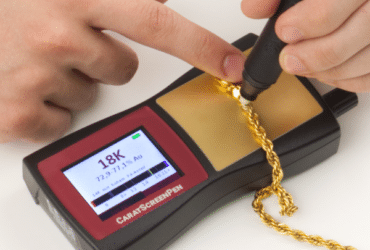
4. Electronic Gold Testers
These devices use electrical conductivity to estimate gold purity.
Pros: Portable and user-friendly.
Cons: Limited accuracy for mixed alloys.
Advanced Gold Testing with XRF Technology
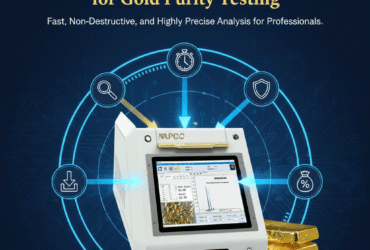
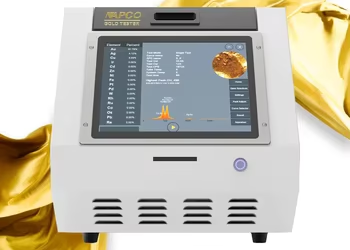
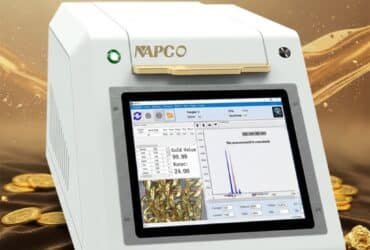
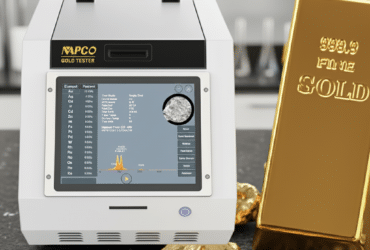
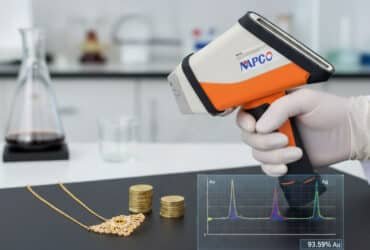
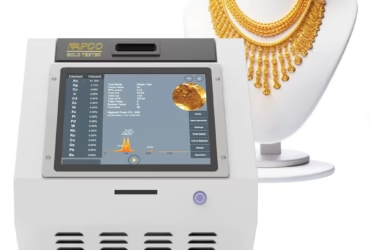
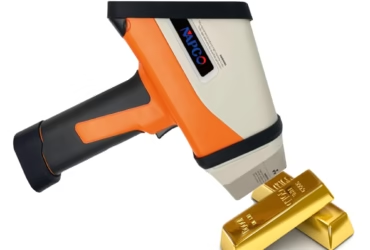
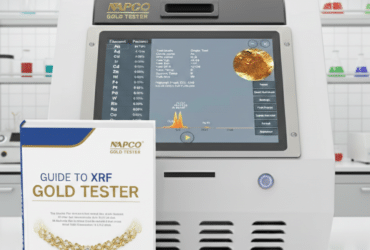
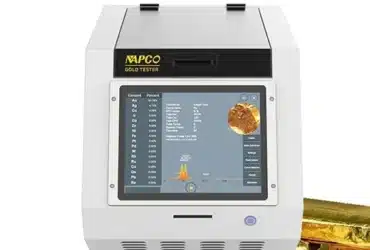
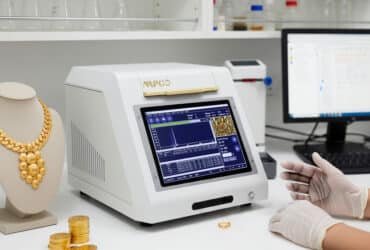
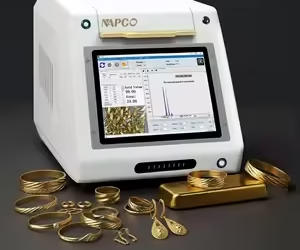
For professionals seeking the highest levels of accuracy, XRF (X-Ray Fluorescence) gold testers are the gold standard. These machines enable non-destructive analysis of gold purity and composition, making them indispensable for industries that handle high-value transactions.
How XRF Technology Works
XRF testers emit X-rays onto the material, causing the atoms to fluoresce. The fluorescence energy emitted by the sample is analyzed to determine its elemental composition.
Non-Destructive: The item remains intact after testing.
Highly Accurate: Measures gold to exact purity percentages or karats.
Quick Results: Delivers results in seconds.
Who Benefits from XRF Gold Testers?
Jewelry Stores & Showrooms use them to assure customers of purity and avoid disputes during transactions.
Goldsmiths & Manufacturers streamline quality control with precision testing.
Refiners & Recyclers improve metal recovery processes using accuracy-driven technology.
Pawn Shops & Loan Providers ensure correct valuations when buying or holding gold as collateral.
Choosing the Best Gold Testing Method
When selecting a gold testing method, consider these factors based on your needs:
Accuracy
Professional environments require precise purity measurements. XRF testing, for instance, offers unmatched accuracy compared to manual methods.
Non-Destructive Testing
Traditional tests often damage the sample, while XRF testers protect the gold’s integrity, which is especially important for high-value items or antique jewelry.
Ease and Speed
If you need to test a large volume of gold frequently, XRF machines can process samples in seconds while minimizing manual intervention.
Cost-Efficiency
While acid testing might seem cheaper upfront, inaccuracies and sample damage can incur higher costs in the long run. Advanced technology, though an upfront investment, proves more cost-effective through reliability and non-damaging features.
Practical Steps to Test Gold with XRF Technology
Testing gold with XRF technology is straightforward. Here’s how it works in practice:
Prepare the Sample
Clean the gold item to remove debris or residues that may interfere with results.
Use the Testing Device
Place the piece on the XRF machine’s surface and start the testing process.
Analyze Results
The device will display details like karat value, gold percentage, and any additional metals present within the sample.
Confirm and Document Findings
Save the test results for future reference or compliance purposes, especially when tracking batches or customer records.
Why Should Professionals Transition to XRF Gold Testers?
1. Improved Accuracy Reduces Disputes
With XRF technology, professionals can confidently deliver trustworthy results, enhancing credibility with their customers.
2. Efficiency Saves Time
Fast, automated processes enable busy professionals to increase output without compromising quality.
3. Versatility Across Metals
While focused on gold purity, XRF devices can also analyze alloys like platinum and silver, making them a one-stop solution for jewelry businesses.
Final Thoughts
Testing gold accurately is essential for maintaining trust, protecting value, and strengthening your business reputation. While traditional methods like acid or scratch testing remain in use, modern solutions like XRF technology redefine standards for accuracy, reliability, and professionalism.
If you’re wondering how you can test gold efficiently and confidently, investing in advanced tools like XRF testers offers a robust and reliable solution. Explore the latest XRF testers today to empower your business with cutting-edge technology!