Gold has been revered for centuries, symbolizing wealth, beauty, and power. However, not all gold is created equal, and distinguishing genuine gold from counterfeit materials is crucial for jewelers, goldsmiths, pawn shops, and other industry professionals. If you’re wondering how to test if gold is real, this guide will walk you through practical and reliable methods to determine gold’s authenticity.
Whether you’re a gold dealer, jeweler, or casual buyer, these easy-to-follow techniques will help you confidently verify the purity of gold. Additionally, you’ll learn about the role advanced tools, such as XRF gold testers, play in ensuring accurate results.
Why Testing Gold Authenticity Is Important
For those in the jewelry and gold-related industries, the ability to detect whether gold is real is fundamental. Here’s why:
Ensures Quality Control – Selling or buying counterfeit gold can damage trust and reputation.
Prevents Financial Loss – Misjudging gold purity can lead to undervaluing or overpaying.
Builds Customer Confidence – Your expertise in determining the authenticity of gold helps customers feel secure.
While visual inspection is helpful, counterfeit gold has become increasingly sophisticated. Therefore, reliable testing methods are essential to protect your investments and maintain credibility.
Simple Methods to Test If Gold Is Real
1. Visual Inspection
The first step in identifying genuine gold is to observe its physical features.
Hallmarks:
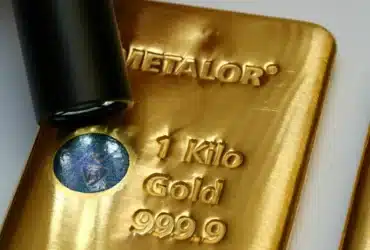
Look for official markings like “10K,” “14K,” “18K,” or “24K,” which indicate gold purity. However, keep in mind that counterfeit items can also have fraudulent stamps.
Color and Shine:
Real gold has a distinct yellow luster that doesn’t fade over time, whereas fake gold may exhibit slight discoloration or tarnish.
Tip: Use a magnifying glass to examine the surface for irregularities or signs of plating.
2. Magnet Test
Gold is a non-magnetic metal, so it won’t cling to magnets. To perform this test, do the following:
Obtain a strong magnet.
Hold it near the gold item and observe if it attracts.
If the piece sticks to the magnet, it’s not pure gold-likely a metal alloy.
Note: Some counterfeit gold items are crafted from non-magnetic materials like stainless steel, so this test alone isn’t foolproof.
3. Density Test
Gold is significantly denser than other metals, making this test a reliable method. Here’s how:
Weigh your gold item using a digital scale.
Submerge it in water and measure the volume displacement.
Divide the weight by the displaced water’s volume to calculate its density.
Pure 24-karat gold has a density of about 19.32 g/cm³. If the density is much lower, the gold might be mixed with other metals.
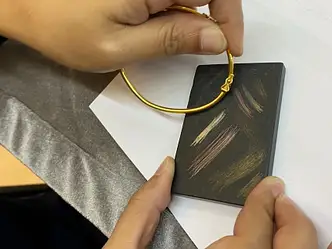
4. Ceramic Scratch Test
This involves rubbing the gold piece on an unglazed ceramic surface:
If the streak left behind is golden, the item is likely genuine.
A black streak indicates the gold is fake or plated.
Warning: This test may damage the item’s surface, so proceed cautiously with valuable pieces.
5. Acid Testing
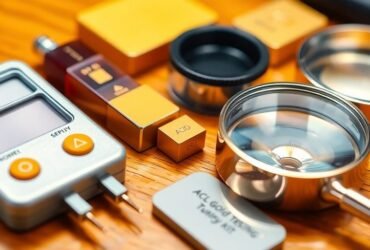
Acid tests are widely used to evaluate gold purity, though requiring chemical safety. Jewelry professionals often use nitric acid kits for this purpose.
Apply a drop of nitric acid to the gold item.
Observe the reaction:
No reaction indicates real gold.
Green discoloration means the item contains base metals.
Acid tests are accessible and reliable but can harm the material if mishandled.
6. XRF Gold Testing – The Non-Destructive Solution
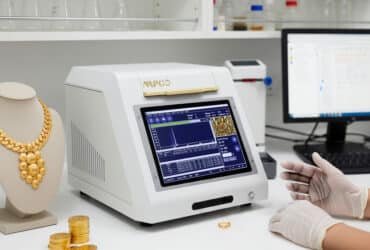
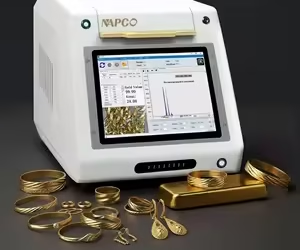
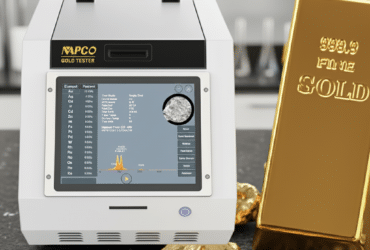
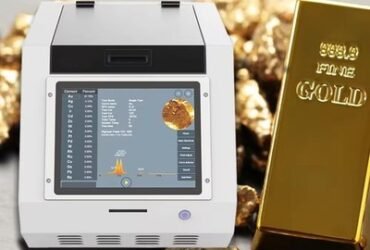
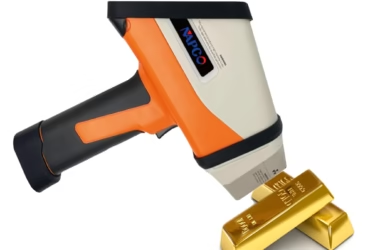
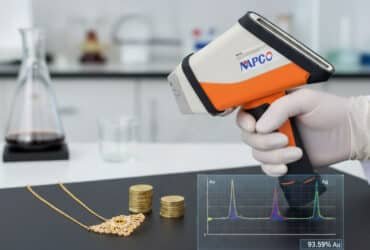
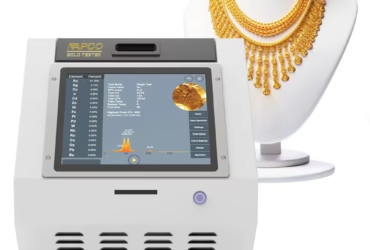
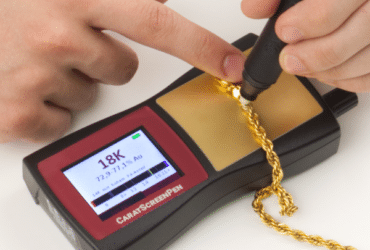
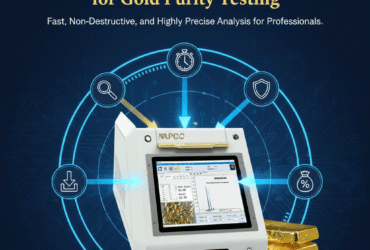
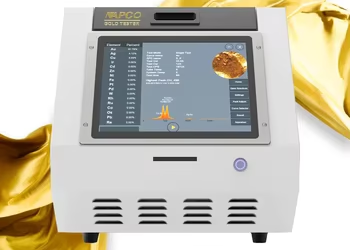
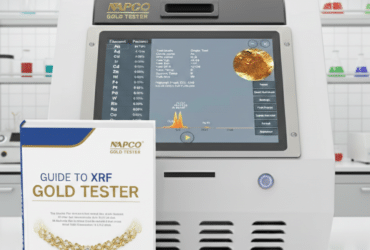
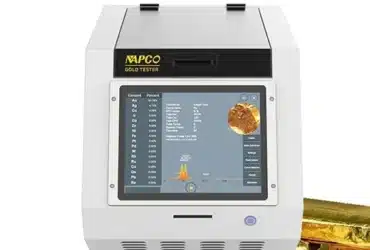
The most accurate and efficient way to test the authenticity and purity of gold is using an X-Ray Fluorescence (XRF) analyzer. Unlike other methods, XRF testing is:
Non-Destructive – It won’t damage the gold item.
Quick and Accurate – Provides results in seconds with precise measurements in karats or percentage purity.
Versatile – Detects other precious metals, making it invaluable for mixed items.
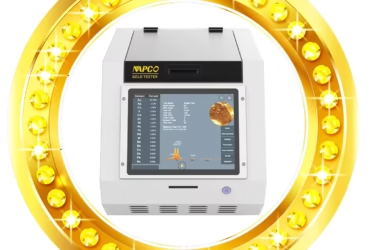
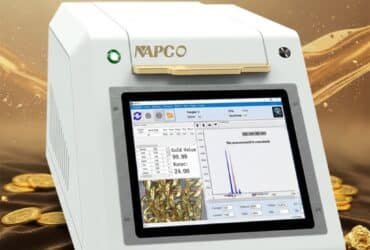
Napco Precision Instruments offers state-of-the-art XRF gold testers tailored for professionals in jewelry showrooms, goldsmithing, and hallmarking centers. These machines not only verify authenticity but also enhance efficiency and customer trust.
Comparison of Testing Methods
Method
Accuracy
Effort
Suitable For
Visual Inspection
Low
Easy
Casual checks
Magnet Test
Moderate
Easy
Quick checks for beginners
Density Test
High
Moderate
Professionals with access to scales
Ceramic Scratch Test
Moderate
Easy
Small, non-valuable items
Acid Test
High
Laborious
Professionals with testing kits
XRF Gold Testing Machine
Very High
Effortless
Jewelers, refiners, and businesses
The Role of XRF Machines in Modern Gold Testing
Professionals across the gold industry are turning to XRF analyzers for several reasons:
Cost Efficiency:
While XRF machines represent an initial investment, they save money in the long term by avoiding faulty testing outcomes.
Scalability:
Ideal for businesses that process high volumes of gold, as they deliver fast and reliable results.
Reputation Building:
Using advanced technology like XRF scanners enhances credibility, establishing your business as trustworthy and professional.
Example Use Case: A pawn shop chain adopted XRF gold testers to streamline evaluations, reducing customer disputes and boosting operational efficiency.
Interested in transforming your gold-testing process? Napco Precision Instruments provides cutting-edge XRF machines that cater precisely to your industry’s needs.
Common Mistakes to Avoid When Testing Gold
Over-Reliance on Visual Clues:
Counterfeit gold often mimics genuine markings and shapes, so always follow up with additional tests.
Using Damaging Techniques on Valuable Items:
Ceramic or acid tests can devalue certain items, especially antiques or intricate designs.
Ignoring Advanced Technology:
Relying solely on manual methods may lead to inaccurate results and missed counterfeit cases.
For foolproof operations, integrate advanced solutions like XRF testing into your workflow.
Final Thoughts
Knowing how to test if gold is real is a critical skill in the gold and jewelry sectors. From simple approaches like the magnet test to advanced tools like XRF analyzers, these methods provide multiple layers of assurance.
For professionals looking for a reliable, non-destructive solution, XRF gold testers stand out as the gold standard. By investing in the right tools, you not only safeguard your transactions but also enhance your reputation as an expert in gold authentication.
Want to revolutionize your gold testing process? Consider exploring cutting-edge XRF analyzers at Napco Precision Instruments and elevate your business