White gold is a popular and elegant choice for jewelry, but there’s often confusion about how to verify its authenticity and purity. Whether you’re a jeweler, goldsmith, or a pawn shop owner, knowing how to test white gold can save you from making costly mistakes and help build trust with clients. This article will walk you through effective techniques for testing white gold using non-destructive and precise methods.
Additionally, we’ll introduce the benefits of using advanced tools like XRF analyzers to streamline the testing process. By the end, you’ll understand how to test for white gold and ensure its purity with confidence.
Why Testing White Gold Is Crucial
White gold is an alloy, typically a combination of gold and other metals like palladium or nickel, which gives it its distinctive silvery-white appearance. The value of white gold depends not just on its craftsmanship but also on its karat level. Unfortunately, visually determining its purity is impossible, which is why various testing methods are essential.
Failing to test white gold accurately can lead to incorrect assessments, dissatisfied customers, and financial losses-especially for businesses that regularly deal in high-value transactions.
Reliable Methods for Testing White Gold
Visual Inspection
Before using advanced testing tools, start with a basic visual inspection. Look for the following indicators:
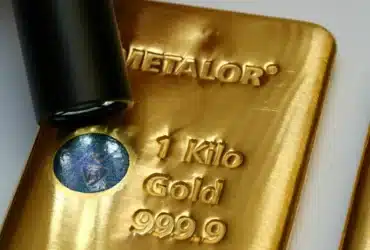
Hallmarks or Stamps: Most white gold pieces are stamped with markings like “10K,” “14K,” or “18K,” denoting their karat value.
Plating Wear: Over time, white gold jewelry may exhibit wear, revealing a yellowish hue underneath.
While these signs can provide clues, they are not sufficient to confirm authenticity or purity.
Acid Testing for Gold Purity
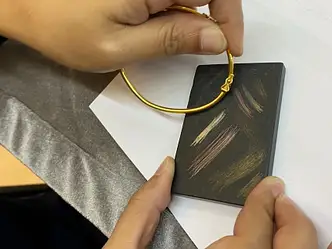
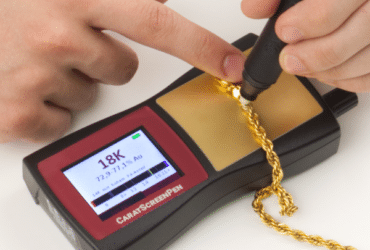
The acid test is a quick and cost-effective method to determine if an item is gold and what karat level it may be. However, it should be performed with caution as it can be destructive.
Scratch the Surface: Use a testing stone to lightly scratch the surface of the white gold piece.
Apply Acid Solutions: Match the karat level you’re testing for (e.g., 14K) with the corresponding acid solution.
Observe Reaction: Genuine white gold will not react to the acid, while fake materials or lower karats will discolor or dissolve under the solution.
Although acid testing is widely used, it carries the risk of damaging the piece. Therefore, it’s better suited for non-critical items.
Advanced Testing with XRF Machines
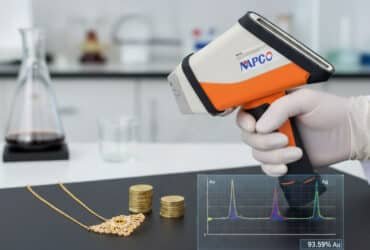
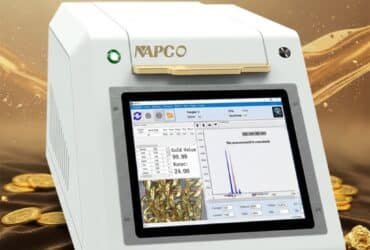
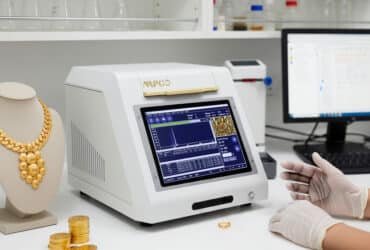
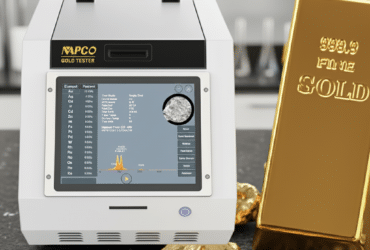
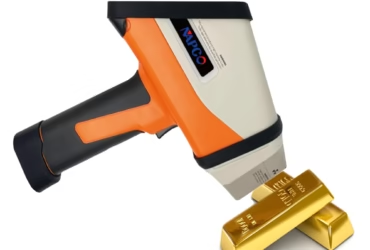
XRF (X-ray fluorescence) machines are the gold standard when it comes to accurate and non-destructive testing for white gold. These machines analyze the item’s composition by measuring the fluorescence emitted when exposed to X-rays.
Benefits of XRF Analysis for White Gold Purity Testing
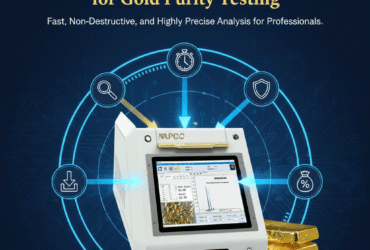
Non-Destructive: Unlike acid testing, the surface remains intact.
Precise: Determines the exact gold percentage and traces of other metals in the alloy.
Fast Results: Provides a detailed report in seconds, saving time during busy operations.
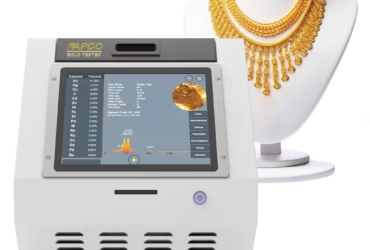
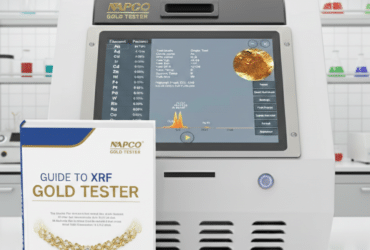
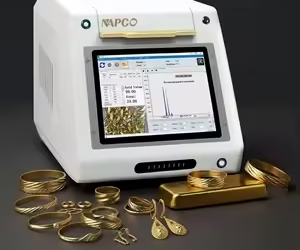
Napco’s XRF gold testers, for example, are specifically designed to handle such tasks reliably, eliminating doubts about purity and helping you provide transparent results to your customers.
Steps to Test White Gold with XRF Analyzer
Place the white gold sample on the machine’s testing surface.
Press the start button.
Review the comprehensive results displayed, which indicate the gold karat value and alloy composition.
With its ease of use and pinpoint accuracy, XRF testing is a must-have tool for businesses involved in jewelry, recycling, or pawn shops.
Magnet Test
If you’re looking for a quick preliminary test, use a magnet to check for ferrous metals in the item. White gold is non-magnetic, so if the piece is attracted to the magnet, it is likely fake or mixed with other materials.
Keep in mind, though, that the absence of magnetism does not confirm the item is genuine white gold-it’s merely an indicator.
Best Practices for Testing White Gold
1. Verify Hallmarks and Documentation
Ensure the item includes proper hallmarks and certification paperwork from authorized sources.
2. Combine Methods
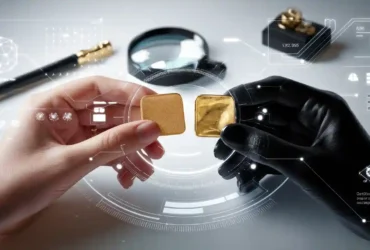
For comprehensive results, use a combination of techniques like visual inspection, acid testing, and XRF analysis.
3. Invest in High-Quality Equipment
If your business frequently handles white gold, investing in an XRF analyzer is a worthwhile decision. Such machines provide unparalleled precision and efficiency, ensuring you never compromise on accuracy.
4. Train Your Team
Equip your team with the knowledge and skills to use advanced testing tools properly. This fosters customer trust and reduces errors in everyday operations.
Common Issues with White Gold Testing and How to Overcome Them
Misidentifying Coated or Plated Jewelry
White gold items are sometimes coated with rhodium, which creates a high-shine finish. This can complicate testing as the overlay may mask the real composition underneath.
Solution: For such cases, XRF analyzers are ideal, as they can penetrate through the surface layer without destruction, delivering precise results about the underlying alloy.
Cross-Contamination in Acid Testing
The same testing stone used to scratch several pieces may lead to inconsistent results.
Solution: Always clean the stone thoroughly between tests or switch to non-destructive methods like XRF testing altogether.
The Takeaway
Testing white gold effectively ensures you deliver value and transparency to your customers while protecting your business from financial risk. While traditional methods like acid testing and magnets offer some insights, advanced technologies like XRF analyzers provide a reliable, non-destructive way to confirm purity and composition quickly and accurately.
If you’re in the jewelry industry, investing in precise tools like Napco’s XRF machines can simplify your operations, give your business a competitive edge, and enhance customer trust.
Now that you know how to test white gold, it’s time to apply these methods and build confidence in your findings!